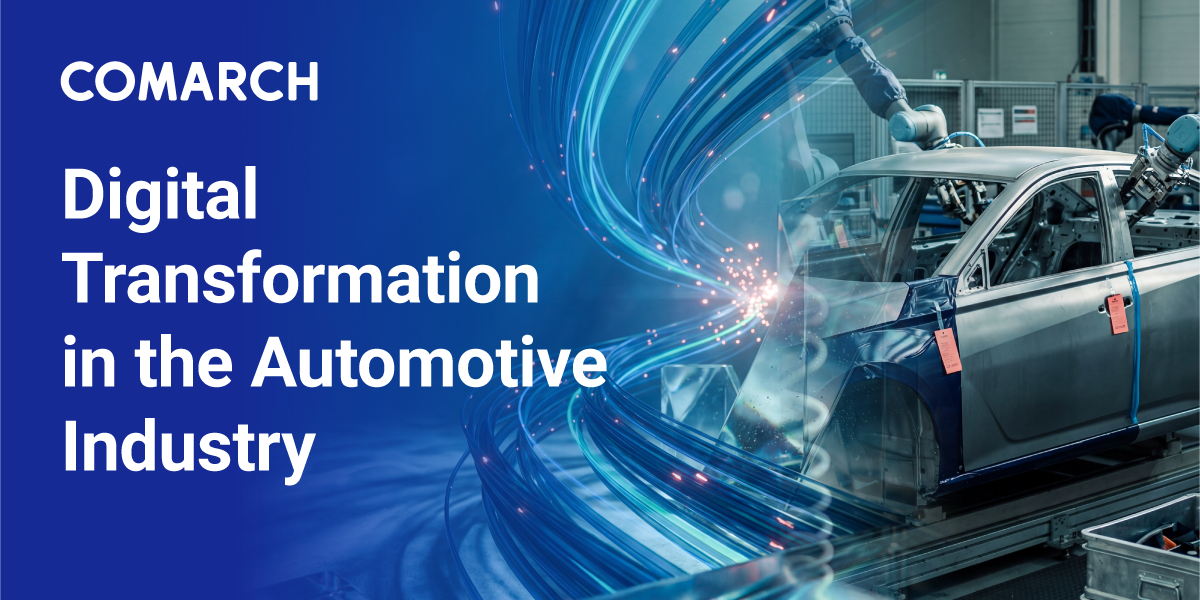
How Digital Transformation Is Reshaping the Automotive Industry

  • IT Innovations
  • 03.02.2026 01:40 pm

Going digital isn't just about getting rid of paperwork—it’s about staying competitive, enhancing brand value, and preparing for the future. With technologies like AI, machine learning, and automation becoming standard, automotive companies are under increasing pressure to embrace digital transformation.

Efficient data management is now a top priority, impacting everything from manufacturing to customer service. As this shift accelerates, companies must understand and address the challenges that come with it.

The Foundations of Digital Transformation: Digitization, Digitalization, and Automation

Digitization refers to converting analog processes into digital ones. This includes digitalizing design, manufacturing, and sales processes. It speeds up prototyping, improves data access, and supports more informed decision-making.

Digitalization is a broader concept that encompasses the overall integration of digital technologies across an organization. It’s about using digital tools and platforms to transform operations, create new business models, and boost innovation.

Automation focuses on using technology to perform tasks with minimal human involvement. In the automotive world, this includes robotic assembly lines, autonomous vehicles, and driver-assistance systems. Its main benefits are increased efficiency, precision, and safety.

Though distinct, these three elements work together to enable full digital transformation, each playing a crucial role in reshaping the industry.

Why Automotive Companies Are Moving Toward Digital Systems

Digitization and automation are significantly changing how automotive companies operate. Traditional, paper-based processes have largely been replaced by digital systems and solutions, such as electronic data interchange, that improve communication and coordination across the supply chain.

A major benefit is more efficient handling of information. Tools like optical character recognition help extract and process data quickly, supporting automation and improving accuracy. This enables better collaboration and quicker decision-making across departments.

Digitized data is easier to store, protect, and analyze, helping companies comply with industry regulations and streamline operations. These systems also support a more customer-focused approach, aligning with expectations for faster, more seamless digital interactions.

Key Challenges in the Digital Transition

Managing Costs and Product Data Quality

Automotive supply chains are under intense cost pressure. Companies are turning to just-in-time (JIT) operations and digital solutions to streamline processes and minimize errors. Digitization enhances traceability and transparency, reduces delays, and boosts overall efficiency—especially in quality control and data transfer between departments.

Sustainability and Regulatory Compliance

Environmental responsibility is now a business imperative. Both consumers and governments expect manufacturers to minimize their environmental footprint. Digitized processes—like smarter supply chains and optimized shipping—help reduce waste and emissions.

Automakers are developing sustainable technologies that are integral to intelligent transport systems and the foundation of smart cities. In parallel, cities like Singapore, Zurich, and Helsinki are digitizing their own transport infrastructure to support the cleaner, safer mobility these innovations enable.

Staying Competitive in a Fast-Changing Market

The pandemic accelerated digital transformation across industries, and automotive companies are no exception. To keep pace, suppliers and partners must also modernize their systems.

Digitization is not only a survival strategy but also a competitive edge. It enables seamless integration between systems and stakeholders, enhancing efficiency and opening new opportunities for innovation.

A New Era of Automotive Sales: Digital Commerce

As customer behavior evolves, so too must the way vehicles are sold. Although complex purchase processes have traditionally kept the automotive industry from fully embracing e-commerce, that’s starting to change.

Automotive businesses are now exploring digital platforms to handle sales, though technical and regulatory challenges remain. Successfully transitioning to digital commerce will require new tools and strategies, but the growth potential is significant.

Core Benefits of Digital Transformation

Optimized Supply Chain Management

Digitizing the supply chain integrates all phases of the vehicle lifecycle—from raw material sourcing to customer delivery. Real-time data enables process automation, risk prevention, and rapid response to disruptions.

Reaching New Markets

Digital technologies have broken down barriers to entry, making it easier for companies to access new geographic regions and address emerging consumer trends.

Enhanced Competitiveness

Digital tools support more agile and responsive manufacturing. By reducing time-to-market and enabling flexible customization, companies can meet diverse customer demands while keeping costs under control.

Improved Customer Experience

With customer expectations higher than ever, digitization enables businesses to provide better service through omnichannel engagement, agile infrastructure, and data-driven personalization. This results in a seamless experience across all customer touchpoints.

Building a Stronger, Smarter Automotive Industry

Digitization and automation are transforming the automotive sector from the ground up. From manufacturing and logistics to marketing and after-sales service, data-driven processes are improving efficiency, collaboration, and customer satisfaction.

To fully capitalize on these opportunities, automotive companies must commit to digital transformation as a long-term strategy. This includes investing in technology, rethinking organizational culture, and fostering cross-departmental collaboration. Only then can digital innovation translate into lasting business value.

Related News